
A restaurant drain backs up during the lunch rush. A retail center gets a sewer odor complaint from multiple tenants. A warehouse restroom line slows down week after week. These are not just plumbing inconveniences – they can interrupt operations, damage property, frustrate customers, and lead to rushed repair decisions. Commercial pipe inspection services give property teams a clear look inside the lines before a hidden issue becomes an expensive emergency.
For Houston businesses, where heavy rain, mature tree roots, shifting soil, and busy buildings can all put pressure on underground plumbing, guessing is a costly approach. A high-resolution sewer camera inspection shows what is actually happening inside a pipe, where it is happening, and how serious the condition may be. That evidence helps you plan the right repair, avoid unnecessary digging, and keep your building operating.
What Commercial Pipe Inspection Services Reveal
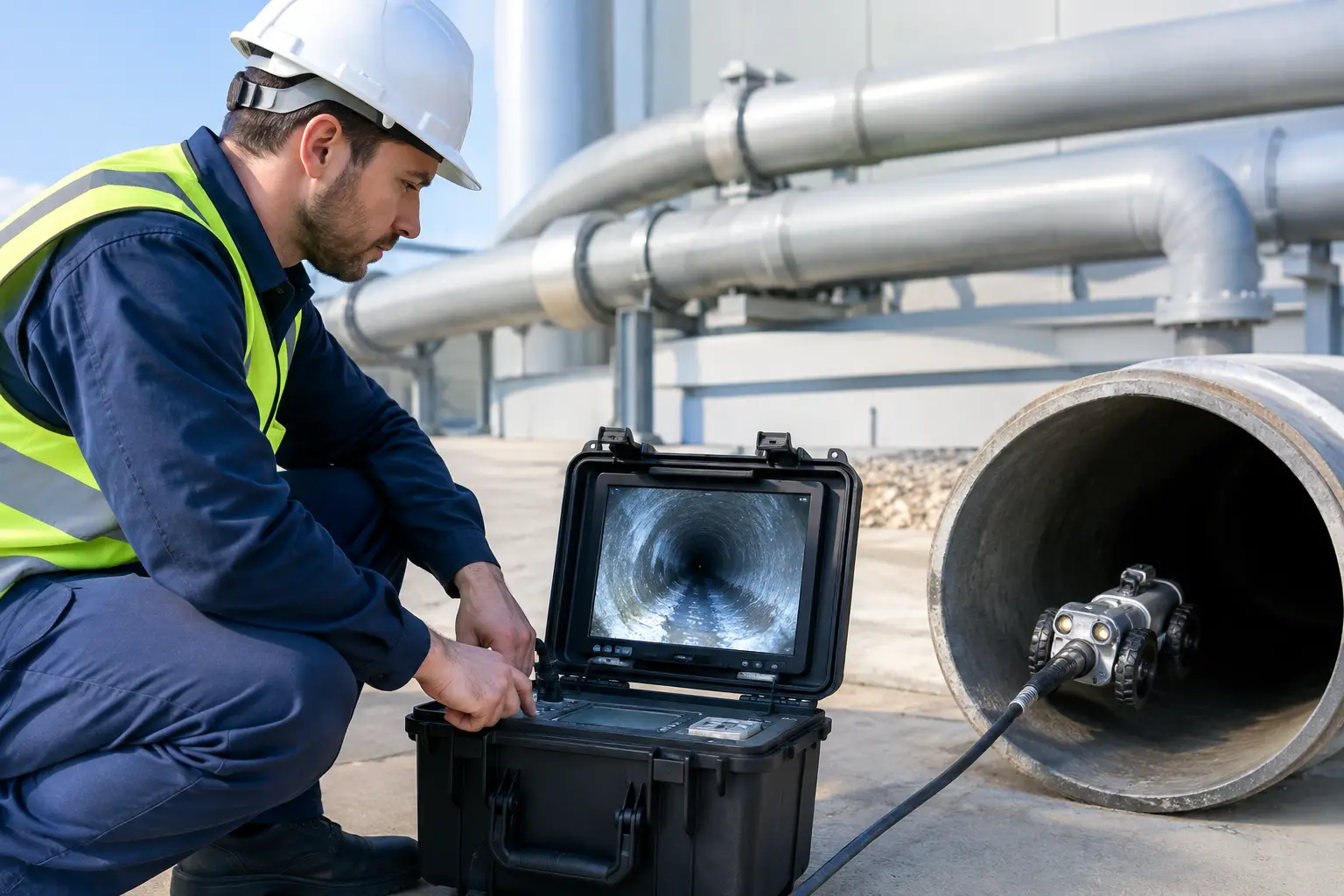
A camera inspection involves feeding a specialized, self-leveling camera through accessible drain or sewer lines. The live video allows the technician to inspect the interior condition of the pipe in real time. Rather than assuming a blockage is the problem, property owners and plumbers can see whether the line is obstructed, damaged, offset, or holding water.
Commercial buildings often have larger and more complicated plumbing systems than homes. A single property may include restrooms, kitchens, floor drains, grease lines, tenant connections, service corridors, and long underground sewer runs. The source of a problem is not always close to the fixture where symptoms appear.
A detailed inspection can identify root intrusion, grease buildup, scale, construction debris, cracked pipe, separated joints, collapsed sections, pipe bellies, and misaligned connections. It can also confirm restricted flow before the line fully blocks. Each issue calls for a different response. Clearing roots may restore flow temporarily, but a broken or separated line may need repair. Video helps separate a maintenance need from a structural problem.
When a Commercial Property Should Schedule an Inspection
Waiting for a complete backup is rarely the best time to learn what is inside a sewer line. Commercial camera inspections are useful when symptoms are recurring, but they are just as valuable as a preventive decision-making tool.
A property manager may schedule an inspection after repeated drain clogs in the same area, unexplained sewer odors, slow floor drains, or wastewater backing up during peak usage. Facility teams also use inspections before major remodeling, tenant build-outs, parking lot work, or repairs that could affect underground utilities.
For restaurants, food service operations, medical offices, schools, multifamily properties, and retail centers, downtime has a direct cost. A backed-up restroom or kitchen line can close part of a building, create sanitation concerns, and force staff into emergency mode. Seeing the condition of the line early gives you more control over scheduling and budgeting.
Inspections are also smart before buying or leasing a commercial property, especially an older building. The visible parts of a property can look well maintained while the sewer system has aging cast iron, root damage, or previous repairs that need attention. A camera inspection provides useful documentation before responsibility changes hands.
Why Video Evidence Protects Your Budget
Without an inspection, a repair recommendation can be based on symptoms alone. A drain may be cleared, only to clog again because the real problem is a low spot in the pipe or roots entering through a failed joint. Excavation may be suggested when a targeted repair would have been enough. The reverse can also happen: a line may be repeatedly cleaned when the footage shows it has a structural failure.
Camera inspection does not eliminate every repair cost. If a pipe is collapsed beneath concrete, the footage may confirm that substantial work is necessary. The difference is that you can move forward with visual evidence instead of uncertainty.
That matters when coordinating plumbers, contractors, landlords, tenants, and ownership groups. Recorded findings can show the affected line, the likely cause, and the precise location of concern. This makes conversations clearer and helps prevent repair work from expanding beyond what the pipe condition supports.
AA Camera Inspections works as an independent diagnostic partner, providing clear footage that helps commercial customers and plumbing teams make informed next-step decisions. The goal is simple: find the problem accurately before anyone starts digging, cutting concrete, or replacing pipe.
A Camera Inspection Is Not Always the First Step
The right sequence depends on the problem. If a line is completely blocked with grease, wipes, or debris, cleaning may be needed before a camera can travel through it. In other cases, an inspection should happen first so the cleaning team knows whether there is a damaged section that requires extra care.
If an active backup is creating an immediate health or property risk, restoring flow is the first priority. Once the immediate issue is controlled, a camera inspection can determine why it happened and whether the line is likely to fail again.
There are also limits to what a camera can confirm. A camera sees the inside of accessible pipe, but it may not fully assess every surrounding soil condition or reach every branch line from a single access point. A qualified inspection provider should explain what was viewed, what could not be viewed, and what the footage indicates without overstating the diagnosis.
What to Expect During the Inspection
A good commercial inspection begins with practical details: where the symptoms are occurring, whether the issue is isolated or building-wide, the property layout, known cleanout locations, and any recent plumbing work. This information helps determine the best access point and the line most likely to be involved.
The technician inserts the camera through a cleanout or other suitable opening and advances it through the line while monitoring live video. When a defect or obstruction appears, its location can be traced so the repair team has a more precise target. This is especially valuable beneath slabs, landscaped areas, drive lanes, and occupied tenant spaces where unnecessary excavation creates added expense.
Afterward, the property team should have a clear explanation of the findings. The most useful inspection results answer practical questions: Is the line open? Is there damage? Where is it located? Does the condition call for cleaning, maintenance, repair, replacement, or additional evaluation?
Preventive Inspections Keep Small Problems Manageable
Not every commercial line needs the same inspection schedule. A newer office building with light restroom use may need less frequent evaluation than a restaurant with grease-heavy drainage or an older multifamily property with mature trees near sewer lines. Usage, pipe material, age, maintenance history, and recurring symptoms should guide the plan.
For high-use properties, periodic camera work can create a record of pipe condition over time. That makes it easier to spot worsening root intrusion, recurring buildup, or a developing belly before it turns into a full obstruction. It can also help management plan maintenance around business hours instead of reacting to a weekend emergency.
The best time to inspect a commercial sewer line is often when you still have options. A clear camera view turns hidden pipe conditions into actionable information, helping your team protect the property, control disruption, and address the right problem the first time.
