
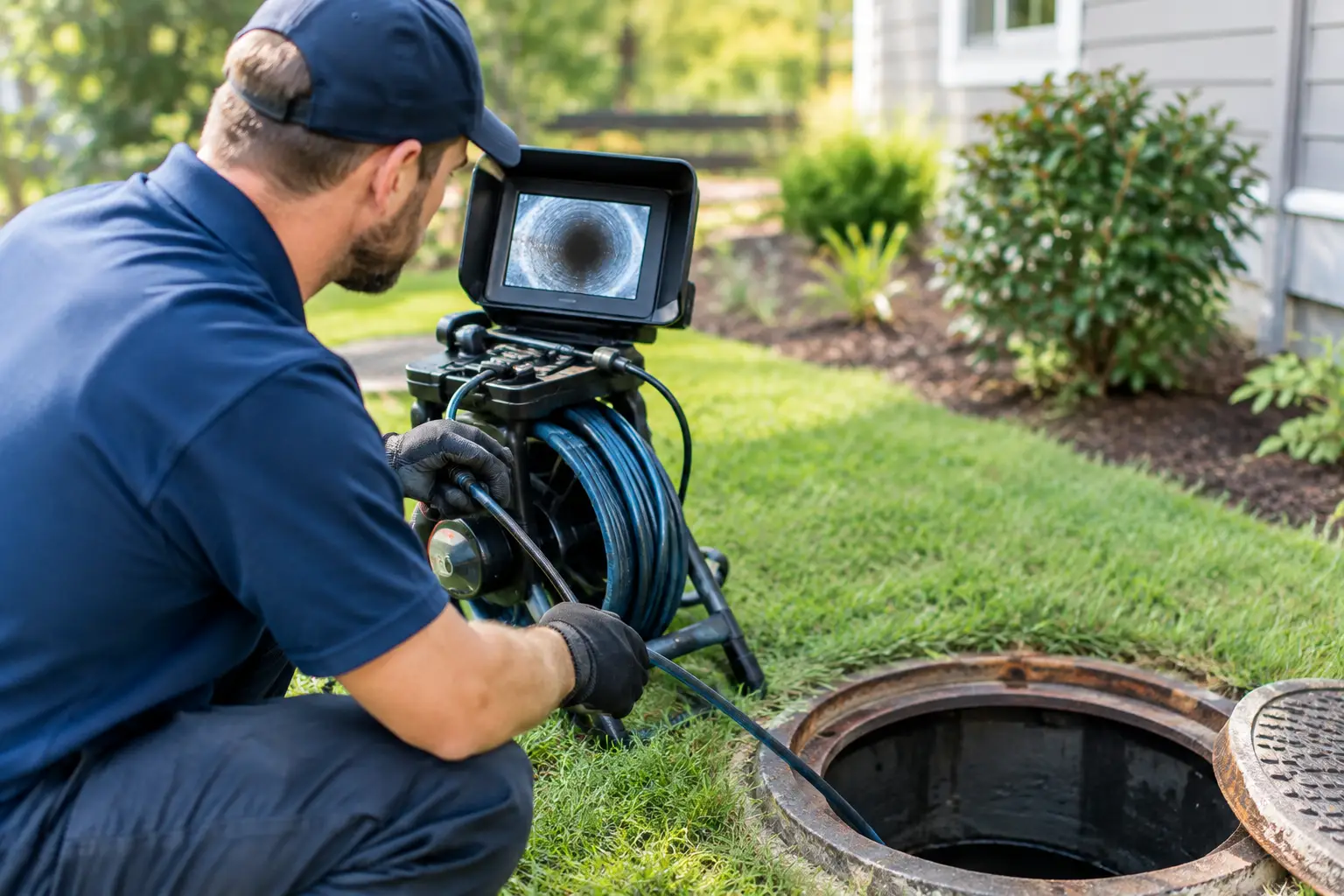
A sewer line can be failing long before wastewater reaches the floor or a drain stops completely. Knowing when to inspect sewer lines gives homeowners, property managers, and contractors a chance to find the real issue before a small restriction turns into a disruptive repair. A camera inspection replaces assumptions with visual evidence, showing what is happening inside the pipe and where it is located.
For Houston-area properties, that evidence can be especially valuable. Expansive soil, mature trees, aging pipe materials, heavy rain, and busy commercial plumbing systems can all put pressure on buried sewer lines. The right time to inspect is not always after an emergency. Often, it is when the warning signs first appear.
When to Inspect Sewer Lines for Drain Problems
A single slow sink may be caused by hair, soap buildup, or a local blockage near the fixture. But when several drains are slow at once, the issue may be farther down the system. Toilets that bubble when a shower drains, tubs that back up after flushing, and water appearing at a floor drain are all signs that the main sewer line deserves attention.
Recurring clogs are another reason to schedule a camera inspection. Repeated snaking may restore flow temporarily, but it does not explain why the blockage keeps returning. A camera can reveal whether the line has root intrusion, a collapsed section, grease accumulation, offset joints, a pipe belly, or an object lodged in the pipe.
The distinction matters. Sending a cable through a root-filled line may open a path for water, but roots can quickly grow back. Clearing grease from a commercial kitchen line may help for the moment, while a sagging pipe that holds waste and water will continue to create problems until it is addressed. The inspection identifies the condition so the repair or maintenance plan fits the actual cause.
Before a Sewer Backup Becomes Property Damage
Sewer backups rarely arrive without warning. Foul odors around drains, gurgling fixtures, unexplained wet spots outside, or wastewater moving slowly through lower-level drains can point to a developing restriction. These symptoms warrant prompt inspection, particularly if they are getting worse.
Do not wait for a complete stoppage if a backup could affect finished flooring, inventory, tenant spaces, or business operations. A camera inspection can locate the problem area without digging across the yard or breaking into floors just to search for it. That means your plumber or repair team can make decisions based on the pipe’s actual condition, not the most likely guess.
For commercial properties, early action also helps protect operations. A blocked main line at a restaurant, medical office, retail center, or multi-tenant building can lead to closures, cleanup costs, and unhappy customers or tenants. Inspecting at the first pattern of trouble is usually far less disruptive than responding after sewage has already backed up.
Before Buying a Home or Commercial Property
A standard property inspection may identify visible plumbing concerns, but it typically cannot confirm the condition of an underground sewer lateral. That is why a sewer camera inspection is a smart step before purchasing an older home, a remodeled property, or a commercial building with an unknown maintenance history.
Even a property with clean bathrooms and working drains can have hidden defects. Cast iron may be corroded or scaled inside. Clay pipe may have shifted. Older joints may be separated. Tree roots may have entered through small openings that have not yet created a full blockage. A previous owner may also have made repairs that do not match the rest of the line.
For buyers, the goal is not to assume every older pipe needs replacement. It is to understand what you are taking on before closing. Video findings can support a repair request, help you budget for future work, or provide confidence that the line is flowing properly. It is one more way to avoid inheriting an expensive surprise.
Inspect Before Major Sewer Repairs or Replacement
If you have been told that your sewer line needs major repair, replacement, or excavation, ask for a camera inspection first whenever conditions allow. There are situations where an emergency repair is clearly necessary, but a visual inspection often helps define the scope of work.
For example, a blockage might be isolated to one accessible section instead of affecting the entire line. A pipe may have localized root intrusion that can be cleaned and monitored rather than immediately replaced. On the other hand, the camera may reveal widespread deterioration, multiple offsets, or a failed section that confirms a larger repair is the responsible choice.
Accurate documentation also keeps the conversation clear between property owners, plumbers, insurers, and contractors. AA Camera Inspections provides real-time visual findings so you can see the issue and understand the recommended next step. Clear evidence helps prevent unnecessary digging and gives repair teams a better starting point.
When to Inspect Sewer Lines Before Construction
Construction, landscaping, driveway work, foundation work, and utility installation can all affect buried lines. Before excavation begins, inspect the sewer line if work will occur near its path or if the property already has drainage concerns. Knowing the line’s condition before work starts creates a useful record and can prevent a project from uncovering a pre-existing issue at the worst possible time.
A camera inspection is particularly useful before adding bathrooms, remodeling kitchens, converting a building’s use, or increasing occupancy. More fixtures and more water use can expose capacity problems that were not obvious under lighter demand. Commercial projects may need to confirm that existing lines can support new equipment, tenants, or operational changes.
Camera inspection and utility locating serve different purposes, but they can work together during planning. The camera evaluates the inside of the pipe. Utility locating helps identify the route of buried lines before digging. Together, they help project teams work with better information and reduce avoidable damage.
Schedule Preventive Inspections for Older or High-Use Systems
Not every property needs an annual sewer camera inspection. The right schedule depends on pipe age, material, tree coverage, past problems, and how heavily the system is used. A newer home with no symptoms and no nearby trees may need inspection only when a concern develops. An older home with cast iron, clay, or Orangeburg pipe may benefit from a baseline inspection, especially if it has never been evaluated.
Preventive inspections make particular sense for properties with a history of root intrusion, recurring stoppages, foundation movement, or prior spot repairs. If only one section of an aging line was repaired, the remaining pipe may still need monitoring. A camera can show whether the repair is holding and whether other sections are beginning to fail.
For commercial facilities, preventive scheduling is often about protecting uptime. Restaurants, apartment communities, schools, warehouses, offices, and retail sites may have higher demand on their drainage systems than a typical residence. Regular inspections can help maintenance teams identify grease buildup, deteriorating joints, or flow restrictions before they become an after-hours emergency.
What a Camera Inspection Can Reveal
A sewer camera travels through an accessible cleanout or drain opening and sends live video from inside the line. The goal is to identify the type, location, and severity of the condition without unnecessary excavation. Depending on access and pipe condition, an inspection may reveal:
- Root intrusion entering through joints or cracks
- Broken, cracked, collapsed, or separated pipe sections
- Misaligned joints and offset connections
- Pipe bellies where water and waste collect
- Grease, debris, scale, or foreign-object blockages
- Restricted flow caused by corrosion or buildup
- Construction debris or damage related to nearby work
Not every finding requires immediate replacement. Some lines can be cleaned, maintained, or monitored. Others require targeted repair to prevent a more serious failure. The value of the inspection is knowing which situation you have before spending money on the wrong solution.
Do Not Ignore Changes in How Your Drains Behave
Your plumbing system usually gives you useful information if you pay attention to changes. A drain that suddenly slows down, a toilet that starts bubbling, or an odor that returns after cleaning may be the first sign of a larger sewer-line issue. These are not always emergencies, but they are good reasons to investigate rather than repeatedly treat the symptom.
If you are facing repeat backups, planning a major project, buying a property, or managing an older plumbing system, a camera inspection provides a clear view below the surface. Acting while the issue is still manageable can protect your property, reduce disruption, and help you make the next decision with confidence.
