
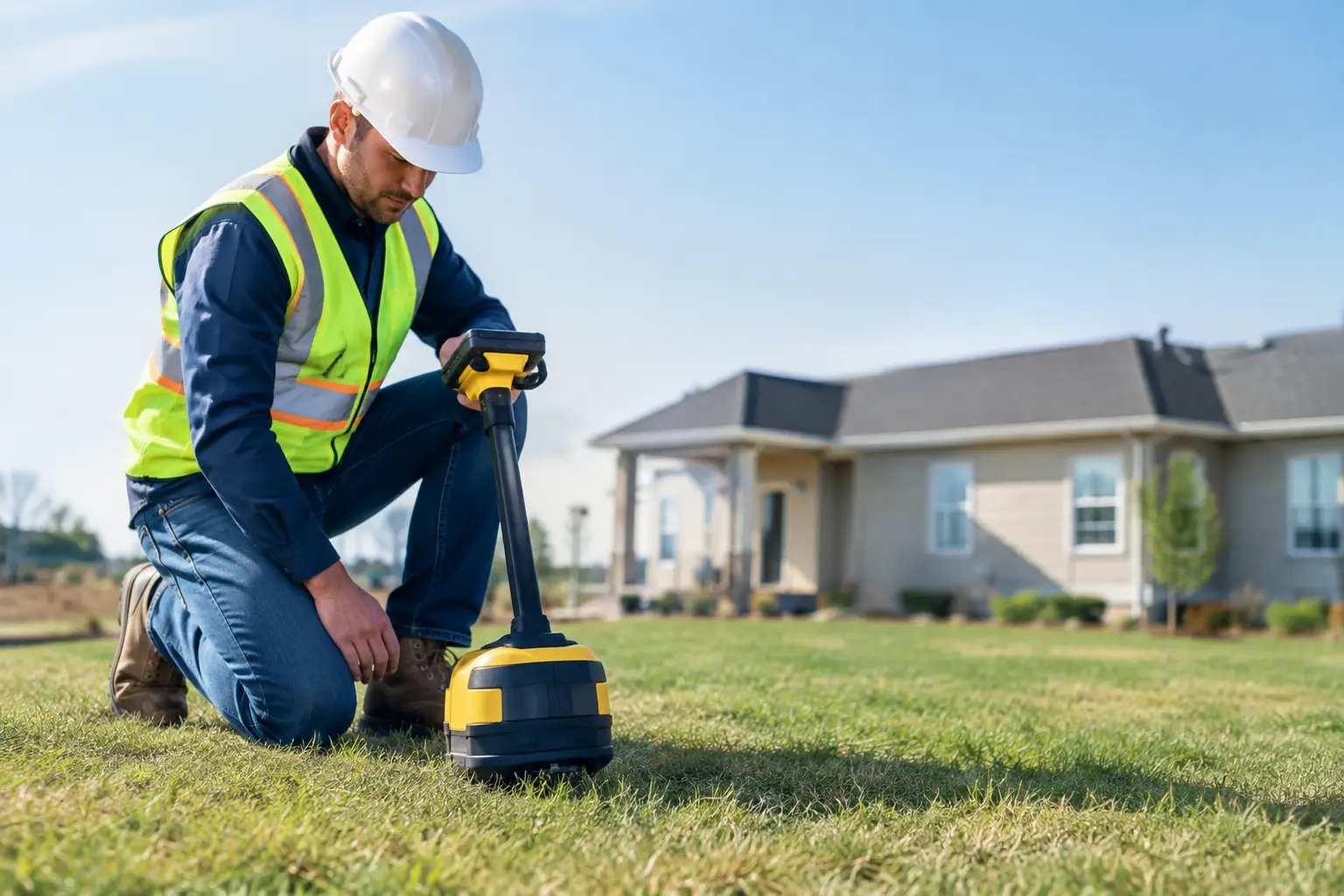
A fence post, new drainage line, driveway repair, or plumbing excavation can turn expensive fast when a buried utility is not where you expect it to be. Underground utility detection gives Houston property owners, plumbers, and project teams a clearer picture of what is below the surface before digging begins. Instead of relying on old plans, assumptions, or a best guess, you can make repair and construction decisions based on real field evidence.
That matters because buried lines rarely announce themselves until there is a problem. A damaged water line can flood a yard. A struck sewer pipe can create a messy shutdown. Cutting an electrical, gas, communications, or irrigation line can delay work, increase costs, and create a safety concern. Finding the route and approximate depth of detectable utilities ahead of time is a practical way to protect the property and keep a manageable project from becoming an emergency.
What Underground Utility Detection Looks For
Underground utility detection is the process of identifying and marking the location of buried utility lines and related infrastructure. Depending on the site and the equipment used, that can include water and sewer lines, electrical conduit, gas lines, communication cables, irrigation components, and abandoned or unknown lines.
The purpose is not simply to put paint on the ground. Good locating work helps answer the questions that affect the job: Where does the line run? Which direction does it travel? Is it likely to conflict with the planned excavation, repair, or installation? Where should crews expose the line carefully if verification is needed?
On residential properties, the concern may be a sewer lateral running from the house to the main connection, a buried electrical feed to a pool, or irrigation lines crossing a landscaping project. On commercial sites, there may be multiple services, additions made over decades, private utility networks, and records that do not match what is actually underground. The more complicated the property, the less room there is for guesswork.
Why 811 Markings May Not Be the Whole Picture
Calling 811 before excavation is the right first step. It helps identify many public utility lines and is an essential part of safe digging. But property owners and contractors should understand what those markings may not cover.
Private utilities are often outside the scope of public utility locating. These can include lines that run beyond the meter, serve detached buildings, feed parking lot lighting, connect private water or sewer systems, or support equipment on a commercial property. A line installed by a previous owner may also be undocumented.
That is where private underground utility detection becomes valuable. It helps fill in the gaps on the property side of the service connection, where a construction crew, plumber, landscaper, or installer is often working. For Houston-area properties, this can be especially useful before trenching, directional boring, slab-related plumbing work, drainage improvements, or major exterior renovations.
The Right Method Depends on the Utility
There is no single tool that finds every buried line under every condition. Accurate locating is a process that matches the equipment and method to the material, access, depth, soil conditions, and purpose of the inspection.
Electromagnetic locating is commonly used when a conductive line can carry a detectable signal. A technician may connect directly to an accessible line or use a transmitter to trace its path from the surface. This method can be effective for metallic pipes, tracer wires, and certain cables.
A sewer camera with a locator sonde is especially useful when the concern is a drain or sewer line. The camera travels through the pipe and provides a real-time view of its interior condition. At the same time, the sonde allows the technician to trace and mark the pipe’s location from above ground. This approach does more than identify a route. It can reveal root intrusion, cracked pipe, separated joints, bellies, blockages, and misaligned sections that may be driving the need for repair.
Ground-penetrating radar can help identify subsurface features in situations where conventional signal locating is limited. Its performance depends on site conditions. Soil moisture, clay content, congestion, depth, and the type of utility can affect what is visible. For that reason, an experienced locator does not treat one scan as a guarantee. Findings should be interpreted alongside access points, visible infrastructure, utility records, camera evidence, and site conditions.
Detection Reduces Digging, but It Does Not Replace Careful Excavation
A utility locate gives crews a more informed path forward, but marked lines are not an invitation to use heavy equipment right up to the paint. Markings represent an informed field finding, often with a tolerance area rather than a perfectly exact pipe centerline. Depth estimates can also change along the route due to grade changes, past excavation, settling, or installation methods.
When work must occur near a marked utility, careful exposure is still the safe next step. Hand digging, vacuum excavation, and other non-destructive methods can confirm the line’s precise position before deeper or wider excavation proceeds. This is particularly important around older homes, commercial renovations, and properties with multiple undocumented improvements.
The trade-off is simple: spending time to locate and verify utilities can add a step before the work begins. Skipping that step can add days of repair work, property damage, service interruption, and avoidable liability. For most projects, the first option is far less disruptive.
When a Camera Inspection Should Be Part of the Plan
If a buried sewer or drain line is involved, locating alone may not be enough. Knowing where a pipe runs does not tell you whether it is structurally sound or flowing properly. A camera inspection adds the condition information needed to make a targeted decision.
For example, a homeowner may have recurring backups near the same bathroom. Locating the sewer line can help identify the route, but the camera can show whether roots are entering at a joint, whether the pipe has collapsed, or whether a low section is holding water and waste. A contractor planning excavation can use that evidence to focus work at the actual failure point instead of opening a larger section of yard.
For commercial operators, the same principle applies at a larger scale. A restaurant, retail center, office building, or multi-unit property cannot afford repeated closures caused by a hidden drain issue. Camera documentation can help maintenance teams compare conditions over time, plan repairs around operating hours, and provide clear findings to plumbers, owners, and project managers.
AA Camera Inspections uses camera and locating technology to help identify both the path and condition of underground sewer and plumbing lines. The goal is straightforward: show what is there, mark where it is, and give you evidence that supports the next repair or construction decision.
Signs You Should Schedule a Locate Before Work Starts
Underground utility detection is worth considering anytime a project will disturb the soil or when the route of a buried line is uncertain. It is especially useful before installing fencing, pools, patios, signs, drainage systems, landscaping features, or new utility connections. It also makes sense before excavation for a suspected sewer repair, particularly if the pipe location has never been confirmed.
Do not wait for a full excavation plan to be finished if the utility route will influence that plan. Early locating can change the placement of a trench, help avoid a conflict with another line, or reveal that camera inspection should happen before a contractor recommends a repair. That is real-time peace of mind, not an unnecessary extra.
Get Clear Evidence Before the Ground Opens
Buried utilities should not be left to assumption, especially when a small mistake can damage a line, interrupt service, or create a much larger repair. Start with 811 when required, then consider private locating and camera inspection where the property’s own lines may be involved.
Before the first trench is cut or the first repair recommendation is approved, get a clear look at what is below ground. A documented utility route and a visual pipe inspection can help you protect the property, control the scope of work, and move ahead with far fewer surprises.
