
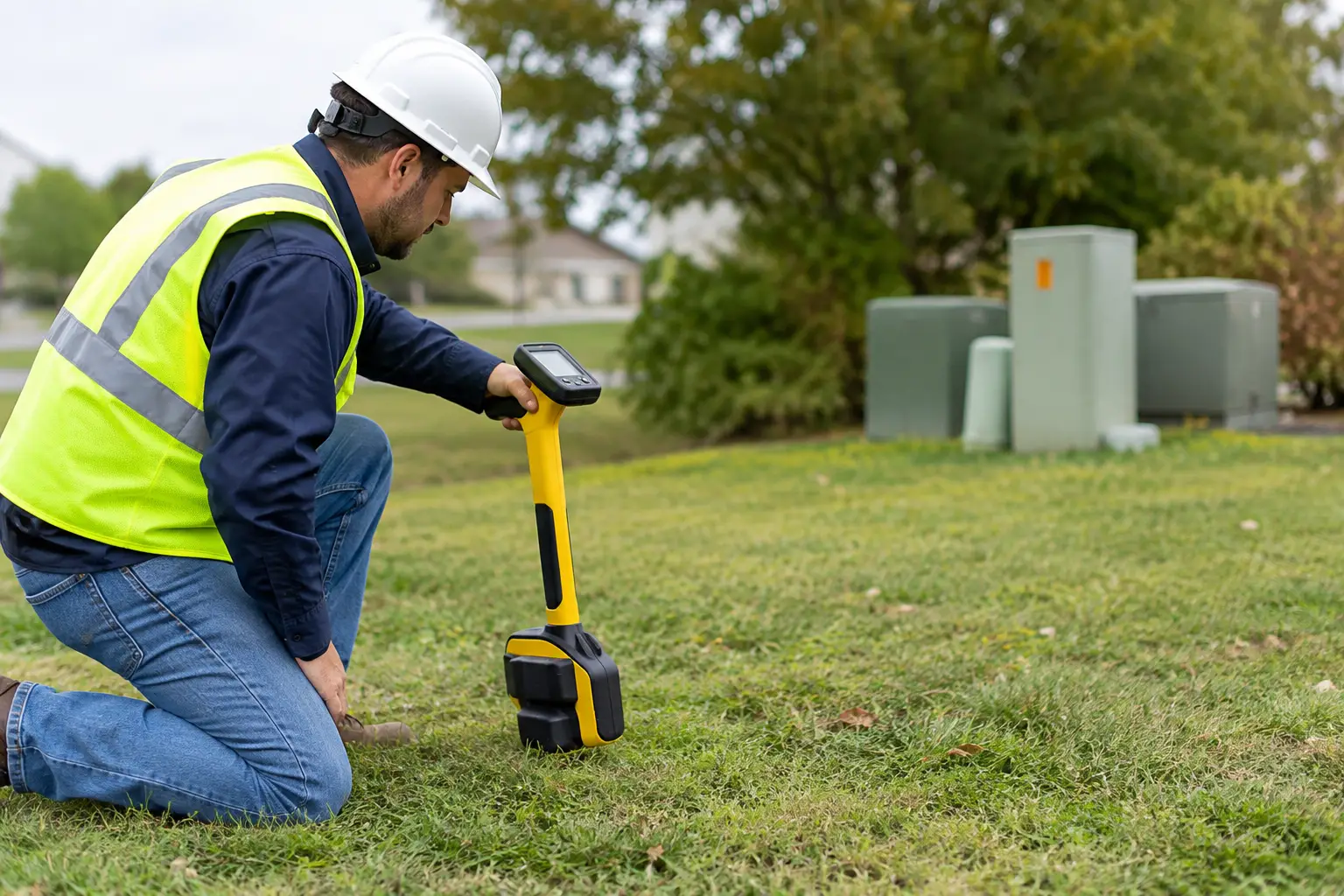
A shovel can turn a simple repair, fence installation, or drainage project into an expensive emergency in one hit. Utility locating before digging gives Houston property owners, plumbers, and project teams a clearer picture of what is below the surface, so work can begin with evidence instead of guesswork.
Underground lines do not announce themselves. Water pipes, sewer laterals, gas lines, electrical conduits, irrigation, communications cable, and abandoned lines can all be hidden beneath lawns, driveways, slabs, and landscaped areas. A line may be only a few inches below grade, especially around older homes or after previous construction changed the site.
The right locating process protects more than a pipe. It protects your schedule, budget, property, and peace of mind.
Why utility locating before digging matters
Damage underground is rarely limited to the line that gets struck. A broken water service can flood a yard or building. A damaged sewer line can create a sanitation issue and require immediate repair. Cutting a communications or electrical line can interrupt business operations, delay contractors, and add costs that were never part of the original project.
Even when no one is injured and the damage appears minor, locating the break, exposing it safely, making the repair, and restoring concrete, landscaping, or pavement can become a much larger job. The most affordable excavation is usually the excavation you avoid.
For homeowners, utility locating is especially useful before installing a pool, fence posts, retaining wall, mailbox, drainage system, or new landscaping. It also matters when a plumber needs to access a suspected sewer issue but wants to avoid opening the wrong area of a yard or floor.
For commercial properties, the stakes can be higher. A damaged line near a loading area, parking lot, restaurant, apartment community, medical office, or retail center can disrupt customers and tenants as well as the repair crew. Accurate locating helps teams plan access, protect active utilities, and limit downtime.
Public markings and private utility locating are not the same
Calling 811 before excavation is a critical first step. The notification process helps arrange marking for public utility lines within the scope of participating utility owners. Those markings are valuable, but they do not always identify every line on private property.
That difference matters. A utility provider may mark its service up to a meter or designated point, while the private portion beyond that point remains the property owner’s responsibility. Private water and sewer services, irrigation lines, electrical feeds to detached buildings, gas lines serving private equipment, site lighting, and communications lines may not be covered by public utility marking.
This is where private utility locating can fill an important gap. Before work begins, confirm exactly what the public markings cover and what remains unmarked. Do not assume a clear yard means there are no buried lines. It may simply mean the line is outside the public locator’s scope or difficult to detect without the right equipment and access.
What a professional locator is looking for
Utility locating is not one-size-fits-all. The method depends on the type of line, material, depth, access, and purpose of the project. Conductive utilities may be traced with electronic locating equipment. A signal can be applied directly to an accessible line or induced from above ground, allowing the technician to follow its likely path.
Non-metallic pipes require a different approach. Sewer and drain lines are often PVC, clay, or other materials that do not carry a locating signal on their own. In those cases, a camera inspection with a sonde transmitter can be especially effective. The camera travels through the line while transmitting a signal that can be located from the surface, helping identify the route and depth of the pipe.
This is one reason camera inspection and utility locating work well together. A surface mark may show where a line runs, but a camera can also show what is happening inside it. Roots, separated joints, bellies, offsets, cracks, blockages, and restricted flow can change the repair plan. Instead of digging based on an assumption, the project team can target the actual problem.
At AA Camera Inspections, Ground Hound utility locating and pipe camera technology help turn hidden conditions into clear, usable information. The goal is not to create more work. It is to identify the right location before excavation begins.
When a camera inspection should come first
If the project involves a sewer or drain line, locating alone may not answer the most important question: Why is the line failing? A locator can help map a pipe’s route, but it cannot confirm whether the pipe is broken, crushed, root-filled, or holding water because of a belly.
A camera inspection is often the better starting point when you are dealing with recurring backups, slow drains throughout a building, sewer odors, unexplained wet areas, or a repair recommendation that would require major digging. The inspection provides visual evidence of the pipe condition, while the locating equipment identifies where that condition is occurring.
This combination is useful before replacing a main sewer line, repairing a slab leak-related drain issue, installing new plumbing, or purchasing an older property. It is also valuable when one contractor recommends extensive excavation and you want documentation before approving the work. Clear footage and accurate markings help everyone work from the same facts.
How to prepare for a locating appointment
A good locating visit starts with a clear understanding of the planned work. Tell the technician where digging, drilling, trenching, boring, or post installation is expected. Small details matter. A fence line that shifts a few feet, for example, may move closer to a buried service line.
Make accessible areas available when possible. Gates should be unlocked, pets secured, and vehicles moved from areas that need to be scanned or marked. If you have property surveys, previous repair invoices, plumbing diagrams, or photos from earlier construction, keep them nearby. They may not be perfectly accurate, but they can provide useful context.
For sewer camera locating, accessible cleanouts are helpful. If there is no obvious cleanout or the line is backed up, let the inspection company know before the appointment. The right preparation allows the technician to choose the most effective method and gives you a more complete result.
Markings guide the work, but they do not eliminate caution
A utility locate reduces uncertainty. It does not make mechanical excavation risk-free. Buried utilities can change direction, vary in depth, cross other lines, or have undocumented repairs. Soil movement, landscaping, settling, and past construction can also affect where a line is found compared with old records.
Treat markings as a guide for a careful excavation plan. Near marked utilities, use the required safe excavation practices and hand expose when appropriate. Contractors should verify the line’s actual location and depth before bringing in heavy equipment. If the project changes, the work area expands, or markings become unclear, pause and reassess rather than pressing ahead.
The same caution applies to older properties. Houston-area homes and commercial sites may have multiple generations of plumbing, additions, detached structures, or abandoned lines underground. A line that is no longer active can still complicate digging, while an active line may not follow the route anyone expects.
The real value is a targeted repair plan
The best outcome from utility locating before digging is not simply paint on the ground. It is a plan that helps the right people make the right decision before damage occurs.
For a homeowner, that may mean knowing where to place a drainage trench without crossing a sewer lateral. For a plumber, it may mean locating a broken section of pipe precisely enough to make a small excavation instead of opening an entire yard. For a property manager, it may mean scheduling repairs around tenant activity and avoiding a shutdown caused by an unexpected line strike.
There are times when excavation is still necessary. A crushed pipe, severe root intrusion, or separated sewer line will not be solved by locating alone. But accurate locating and camera evidence can make that excavation smaller, faster, and easier to explain. That is a meaningful difference when every foot of concrete, landscaping, and operating time has a cost.
Before the first shovel goes in, get a clear view of what is below. A few informed steps at the start can prevent damaged utilities, unnecessary digging, and a repair that costs far more than it should.
